10 Ways to Eat Well When Mental Health Feels Like a Hurdle
On days when things feel heavy, food can feel like one more thing on a long list.
But eating isn’t about perfection — it’s a quiet act of support for your mind and body. Even small, simple meals can lift your mood, support your energy, and help you feel more grounded. With the right tools, it’s absolutely possible to feel more in control — even on the tougher days.
These are gentle, doable steps that can make food feel more manageable and nourishing again.
Tip 1: Keep Your Body Topped Up with Gentle Fuel
When your mood dips, your appetite often disappears with it. Depression suppresses hunger cues. Anxiety can make the thought of eating feel overwhelming. Some medications — including certain antidepressants and antipsychotics — also reduce appetite or change how food tastes.
Your body still needs fuel, even when hunger is quiet. Eating small amounts regularly helps prevent energy crashes and supports more stable blood sugar levels throughout the day. Regular meal timing also supports serotonin production — the neurotransmitter that helps regulate mood, sleep, and appetite.
You don’t need to wait until you’re starving. A couple of crackers, half a banana, or a spoonful of yoghurt is enough to give your body a helpful nudge. Try linking a small snack to a habit you already have — a handful of nuts after you walk the dog, or a smoothie while the kettle boils.
Tip 2: Create a List of Easy, No-Pressure Meals
Decision fatigue hits harder when your mental health is low. Having a short list of go-to meals removes the need to think when energy is scarce.
These are your “no-pressure” meals — things you can prepare with almost no effort:
- Toast with peanut butter and banana — provides protein, healthy fats, and carbohydrates
- Instant oats with milk — a whole grain source of dietary fibre and B vitamins
- Greek yoghurt with frozen berries — protein and vitamin C in under a minute
- A smoothie with banana, milk, and a tablespoon of oats — easy to drink when solid food feels like too much
- Cereal with milk — simple, familiar, and still nourishing
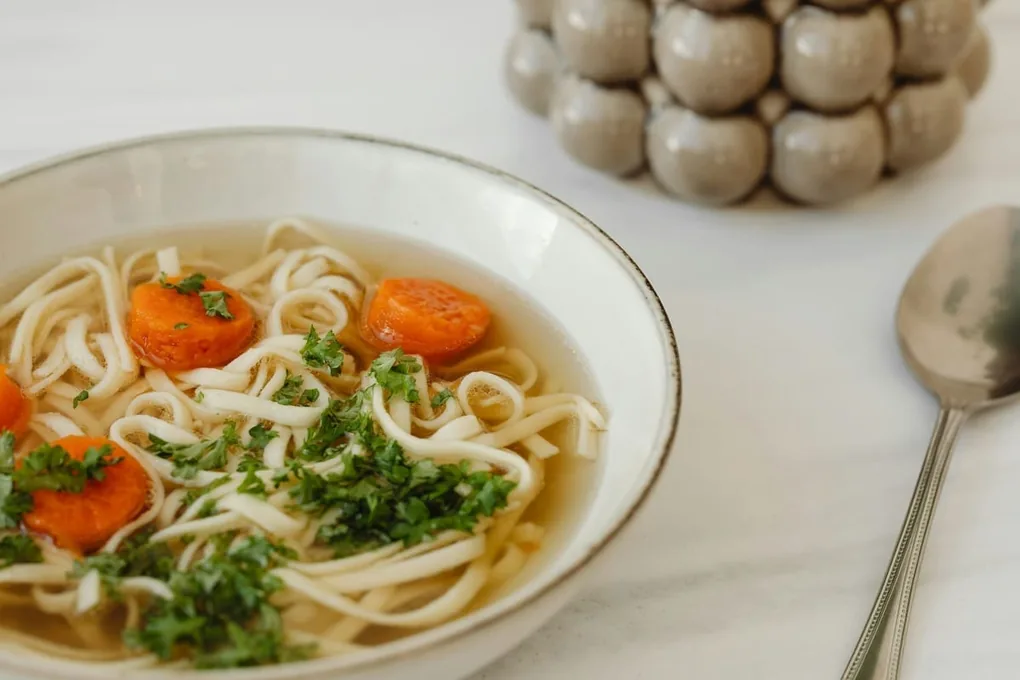
- A tin of soup with toast — warm, comforting, and requires zero prep
Write these meals down somewhere visible — a notepad on the fridge, a note on your phone, or a list stuck to the pantry door. If you live with others, let them know your list. They might be able to help prepare or gently remind you when you need it most.
If you’re not sure where to start with food basics, our beginner FAQ covers the essentials in plain language.
Tip 3: Keep a Reliable, No-Stress Grocery List
A short, familiar list of staples reduces the mental load of shopping. Keep it saved on your phone or stuck on the fridge. These are items that last, require minimal preparation, and feel manageable on low days:
- Frozen meals or frozen vegetables
- Bread and spreads (peanut butter, Vegemite, avocado)
- Tinned soups, baked beans, or canned legumes
- Crackers and cheese
- Fruit that lasts well — apples, bananas, oranges
- Eggs
- Milk or calcium-fortified soy milk
- Rolled oats or breakfast cereal
Try writing down 5–7 items that always feel safe or comforting. You can even keep an online cart ready to go — so if someone offers help, they can grab exactly what you need without extra mental effort.
When shopping feels impossible, asking a friend, support worker, or family member to pick up those basics takes the pressure off. For more on navigating the supermarket without overwhelm, our supermarket shopping guide covers budget tips and label reading in plain English.
Tip 4: Use Visual Cues to Remind Yourself to Eat
Forgetting to eat is common when your mind is busy or distressed. Executive function challenges — which affect planning, sequencing, and initiating tasks — make it harder to start preparing food, even when you know you’re hungry.
Try setting gentle reminders: a phone alarm at meal times, a fridge chart, or even a text from someone you trust. Pairing meals with an existing habit also helps. Drink your morning tea? Have some wholegrain toast with it.
A simple note on the fridge that says “Have you eaten today?” can be a kind, consistent presence on harder days.
Tip 5: Make Snacks Visible and Easy to Grab
Reducing the effort between you and food makes eating more likely. Put snacks where you’ll see them — on your desk, near the kettle, beside your bed, or on the coffee table.
Good options include:
- Muesli bars or protein bars
- Nut and seed mixRice cakes or crackers
- A fruit bowl in plain sight
- Pre-portioned containers of yoghurt or cheese and crackers
Pre-portioning snacks when energy is higher saves effort later. A few small containers or bags make things easier when motivation is low. Even leaving a small plate of food out on your table serves as a gentle physical reminder.
Tip 6: Choose Warm, Comforting Foods That Soothe
Warm meals can feel grounding when emotions are loud. The physical sensation of warmth activates the parasympathetic nervous system, which helps your body shift from a stress response toward rest and digestion.
Even something small makes a difference:
- A toasted sandwich
- Tinned soup heated in the microwave
- Porridge made with milk for extra protein and calcium
- Scrambled eggs on toast
- A warm Milo or chai latte
Microwave options and heat-and-eat meals are genuinely fine. Focus on warmth and ease rather than effort. Herbal teas — particularly chamomile and peppermint — can also support digestion and calm your nervous system alongside a meal.
Tip 7: Let “Good Enough” Be Your Goal
There’s no need for a perfect plate. Some days, food looks like a sandwich, a bowl of cereal, or a handful of crackers. That still counts. A “good enough” meal still provides your body with energy, and energy supports everything else — mood, concentration, sleep, and motivation.
Think of it like brushing your teeth. You might not floss and rinse every single time, but the basics still make a difference. Showing up for yourself is worth recognising.
Release the idea that meals have to be “perfect” to be worthwhile. Any food is better than no food — especially on hard days.
Tip 8: Lean on Others — Support Is Strength
If you have a support worker, friend, carer, or family member, let them help. A small assist — cooking together, doing a grocery run, or a check-in text — can make food feel lighter.
You’re not a burden for asking. Many people feel grateful to be invited in. Even a message like “Can you remind me to eat today?” is an act of self-kindness.
If you’re an NDIS participant, your support worker can be involved in mealtime assistance and basic meal preparation. A dietitian can create simple written guides that your support team can follow — so everyone’s on the same page without you having to explain each time. If food is stressful because of anxiety or avoidance, our guide on support for eating anxiety explores what that looks like and how an NDIS-funded dietitian can help.
Tip 9: Plan Ahead on Brighter Days
Use your higher-energy moments to stock up for the slower ones. Cook a double batch and freeze half. Prep snacks into containers. Write your grocery list while you’re feeling clearer. This isn’t pressure — it’s preparation with kindness.
Think of it as a gift from today-you to future-you. That extra portion of pasta becomes a warm bowl on a hard night. That sliced fruit becomes a soft landing when your mood dips.
Planning doesn’t have to be formal. It could be as simple as noting what’s in your fridge, making a little food station on your bench, or setting up an online grocery cart you can reorder with one click.
Tip 10: Understand the Connection Between Food and Mood
The relationship between nutrition and mental health is real — and the science behind it is growing.
The gut produces approximately 90% of the body’s serotonin. Serotonin regulates mood, sleep, and appetite. The gut-brain axis — the communication pathway between your digestive system and your brain — means that what you eat directly influences how you feel.
Omega-3 fatty acids — found in oily fish like salmon, sardines, and mackerel, as well as walnuts and flaxseeds — support brain function and may help reduce symptoms of depression. Research suggests that people who eat more omega-3-rich foods tend to have lower rates of depressive symptoms.
Dietary fibre feeds beneficial gut bacteria. A diverse gut microbiome supports the production of short-chain fatty acids, which influence inflammation and brain chemistry. Even adding one extra serve of vegetables or a piece of fruit each day can support gut microbiome diversity.
You don’t need a strict plan. You need someone who understands how life actually feels — someone who listens and gently guides. An Accredited Practising Dietitian (APD) can help you build meals around your energy levels, create small steady routines, and find food options that support both your body and your mental health. Our dietitians at Accelerate Nutrition work across Melbourne — at home, in clinic, or via telehealth — with people navigating exactly this.
NDIS participants can access dietitian support through Improved Daily Living or Improved Health and Wellbeing funding. Medicare-funded sessions are available through a Chronic Disease Management (CDM) plan from your GP. Private appointments are also available — no referral needed.