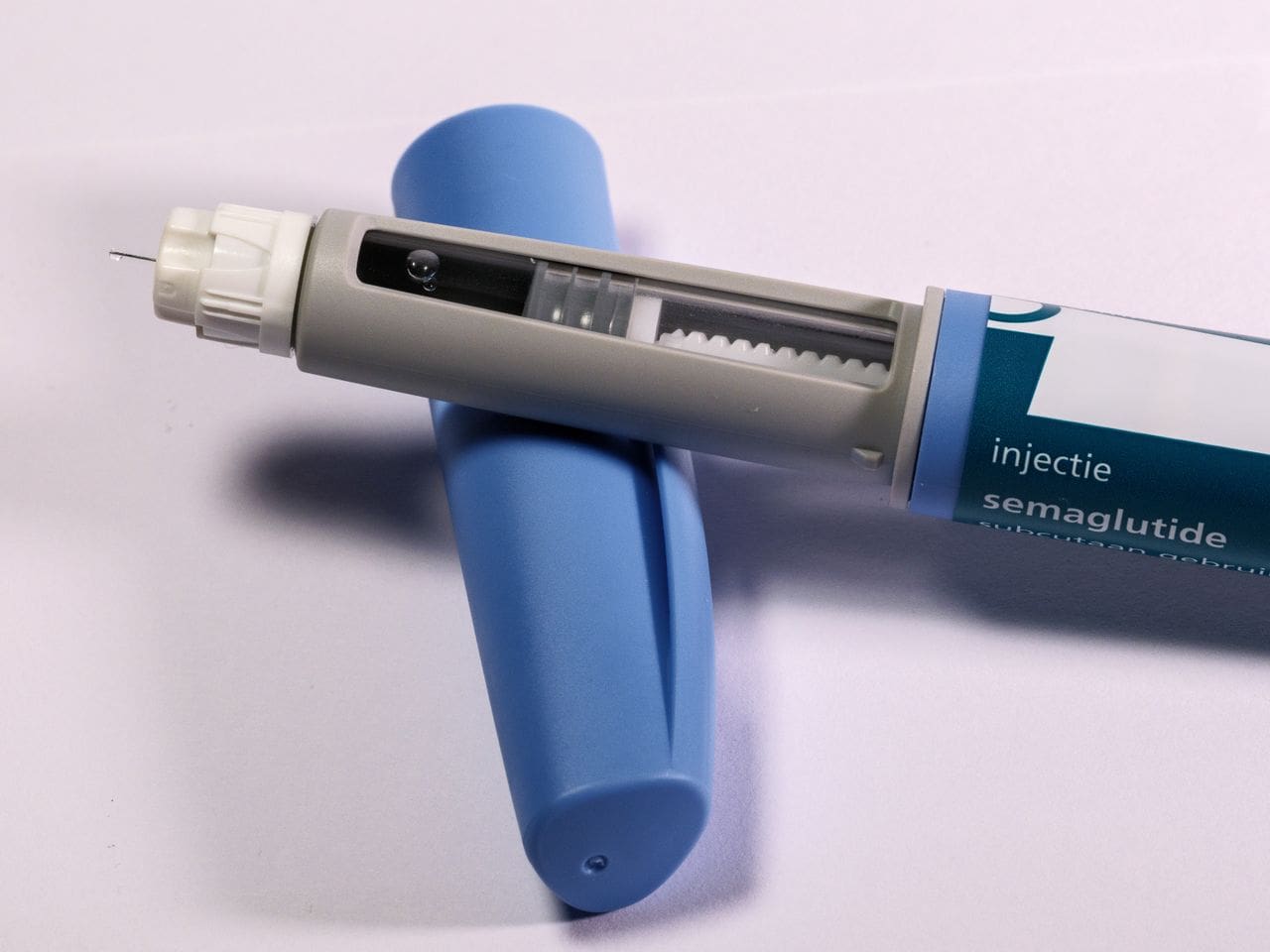
GLP-1 medications work by reducing appetite. What they do not do is decide what you eat with the appetite you have left — and that turns out to matter a great deal.
Two things determine whether weight loss on these medications holds up over time: how much muscle you keep while losing weight, and whether you have built eating habits that survive stopping the medication. Both are nutrition-related and both are potentially solvable. Here is what the evidence says, and what to actually do.
Why does nutrition matter if the medication is doing the work?
Because appetite suppression is not the same as good nutrition.
When intake drops sharply, it becomes much harder to meet protein, fibre, fluid and micronutrient needs — not because of poor choices, but because there is simply less food going in. At the same time, the body is being asked to lose weight, which is when a higher protein intake is likely more beneficial.
This is why professional guidance now treats nutrition support as a standard part of GLP-1 care rather than an optional extra. A 2025 joint advisory from the American College of Lifestyle Medicine, the American Society for Nutrition, the Obesity Medicine Association and The Obesity Society sets out nutritional priorities for people using these medications, with protein adequacy and resistance training central to the recommendations.
How much protein do you actually need?
Current guidance for people losing weight on GLP-1 medications is 1.2 to 1.6 grams of protein per kilogram of body weight per day, spread across the day rather than concentrated in one meal.
In practice, that means aiming for 20 to 30 grams of protein at each meal. For most people that looks like:
- 2-3 eggs plus a slice of wholegrain toast— around 20g
- A small tin of tuna or salmon — around 20–25g
- A cup of Greek yoghurt — around 20g
- 120g of chicken, beef, tofu or legumes at dinner — around 25–30g
The challenge is not usually knowing this. It is that on a medication which makes you feel full after a few mouthfuls, protein is often the thing that gets left on the plate. Which is why the order you eat things in, and what you prioritise when appetite is low, becomes a genuine strategy rather than a detail.
Do you really lose muscle on these medications?
Some lean mass loss usually happens with weight loss — dieting, surgery or medication. The honest answer is that the amount varies a lot between studies, and the headline figures are often overstated.
Estimates of how much of the weight lost is lean mass range from roughly 20% to 50% across trials. A systematic review and network meta-analysis found GLP-1 medications reduced lean mass by around 25% of total weight lost compared with controls. Analyses of individual trials have reported higher figures for some medications and lower for others.
Two things are worth understanding about those numbers. First, “lean mass” is not the same as muscle — it includes water, glycogen and organ tissue, so the muscle-specific loss is smaller than the headline figure suggests. Second, the proportion of weight lost as lean mass is broadly similar across diet, medication and surgical weight loss. This is not a problem unique to these medications.
What it does mean is that muscle preservation deserves deliberate attention, because losing muscle affects strength, metabolic rate, physical function and how easily weight comes back.
What protects muscle?
Two things, consistently, across the evidence:
- Adequate protein, distributed through the day. The 1.2–1.6 g/kg target above, with 20–30g per meal rather than one large daily serve.
- Resistance training. Protein alone is less effective without a stimulus telling the body to keep the muscle. Two to three sessions a week is the usual starting recommendation, and it does not have to mean a gym.
What else gets missed when you are barely hungry?
Protein takes most of the attention, but three other things reliably slip:
- Fibre. Constipation is one of the most common side effects, and low intake makes it worse. Fibre needs to stay up, with fluid alongside it.
- Fluid. Reduced appetite often means reduced drinking, and dehydration worsens nausea, constipation and fatigue.
- Micronutrients. At very low intakes, iron, B12, calcium and vitamin D become harder to meet. This is worth monitoring rather than assuming.
What happens if you stop?
This is the question most worth being honest about.
In the extension of a major semaglutide trial, participants who had lost an average of 17.3% of body weight over 68 weeks regained around two-thirds of that within a year of stopping the medication. Cardiometabolic improvements largely reverted as well. Weight regain after stopping is the expected outcome, not a personal failure.
In Australia, these medications are not currently subsidised for weight management, so cost alone — typically a few hundred dollars a month — means many people do stop at some point.
What changes the picture is whether eating patterns, cooking skills, protein habits and activity have been established while on the medication. The medication creates a window in which change is much easier to make. Whether that window gets used is the difference between a temporary result and a lasting one.
How can a dietitian help?
- Setting a realistic protein target for your body weight and working out how to actually hit it on a reduced appetite.
- Helping maintain muscle mass during the weight loss process – crucial for sustainable weight loss.
- Managing side effects — nausea, reflux, early fullness and constipation — through food rather than by eating less.
- Checking nutritional adequacy as intake drops and flagging what should be monitored with your GP.
- Building the eating habits and skills that need to be in place before the medication stops.
- Working alongside your prescriber, GP and exercise professional rather than in isolation.
Dietitians do not prescribe, adjust or advise on stopping these medications — those are decisions for your prescriber. What we do is make sure the nutrition side supports the treatment rather than undermining it.
How to get started
Whether you are about to start a GLP-1 medication, already taking one, or thinking about what happens when you stop, the nutrition side is worth getting right early.
We offer appointments at our Dandenong clinic, home visits across Greater Melbourne, and telehealth anywhere in Australia. There is no waitlist — we respond to enquiries the same business day.
Book an appointment: acceleratenutrition.com.au/online-booking | Questions first: 03 9791 4495 or about@acceleratenutrition.com.au
This information is general education and does not replace individual medical or dietetic advice. Decisions about medication should always be made with your prescribing doctor.